All posts by Ann Game

Life in Anghiari during Covid – Carlo Rossi

In spring this year, I returned to Anghiari for the first time since Covid. While I was there, I interviewed several people on life in Anghiari during that period. These interviews will be published in both languages.

Vita ad Anghiari durante il Covid – Carlo Rossi

Quest’anno, in primavera, sono ritornata ad Anghiari per la prima volta dopo il Covid. Mentre ero là ho intervistato parecchie persone su come è stata la vita nel borgo in quel periodo.

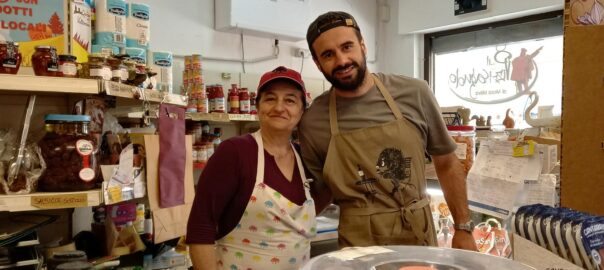
Questa è l’intervista con Carlo Rossi che avevo già intervistato nel 2017 Belonging in Anghiari: Carlo Rossi. Carlo continua a dipingere e ha il suo atelier nel quartiere medievale di Anghiari, ma negli ultimi 5-6 anni ha anche gestito, con una collega, il negozio Busatti a Sansepolcro. L‘intervista si è svolta in italiano ed è poi stata trascritta e tradotta in inglese da Mirella Alessio. Questa è una versione editata.

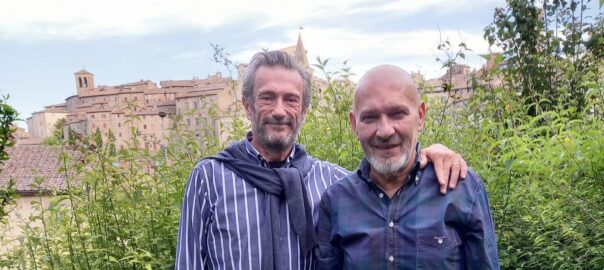
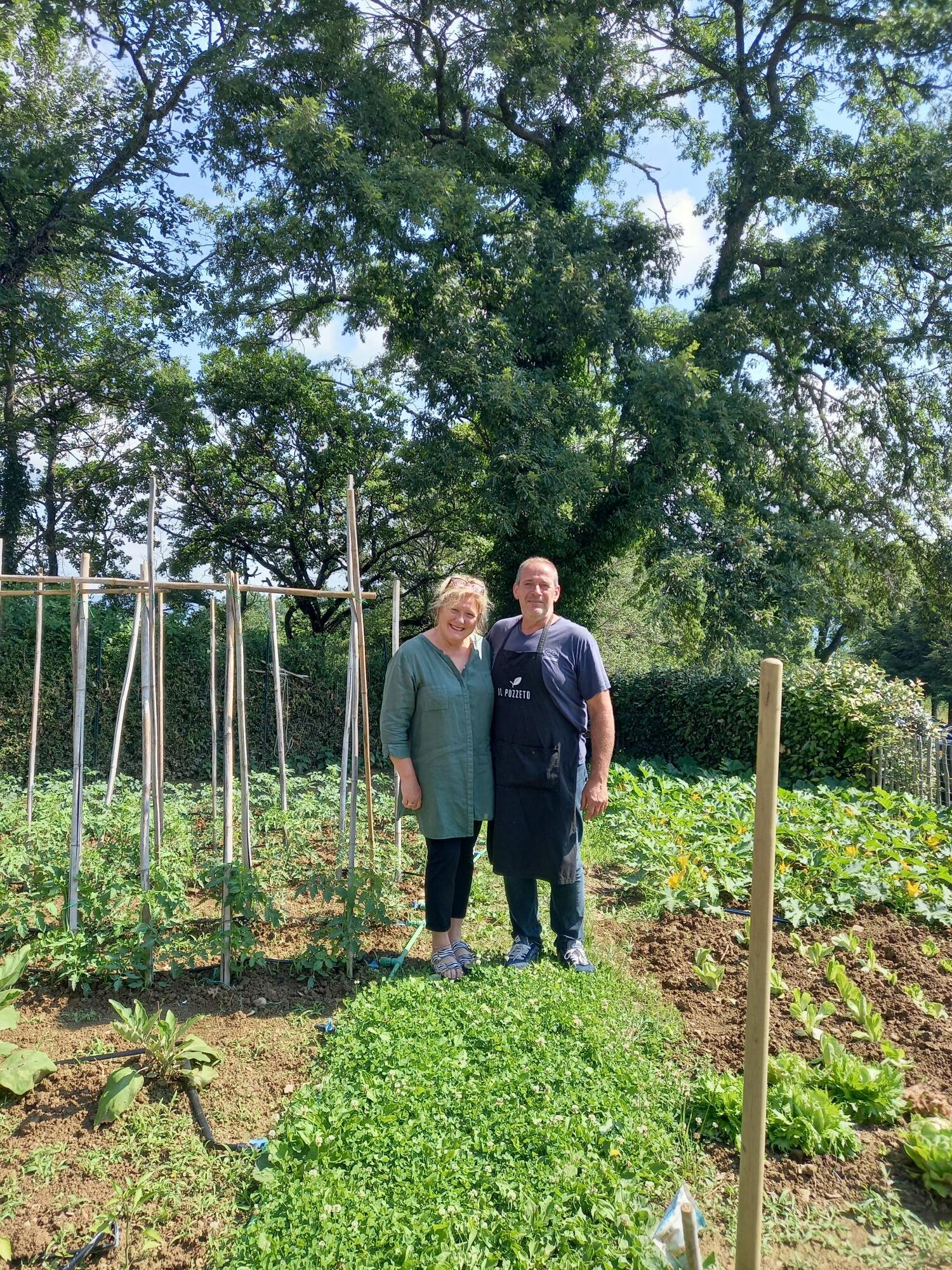
Le foto: Carlo e Armando nel loro giardino; Carlo con le mie vicine.

È stato pesante, molto pesante, perché le notizie arrivavano dai mezzi di comunicazione e noi si vedeva cosa stava succedeva al nord, dove è iniziato a Milano, Bergamo. Alla prima espansione non sapevamo a cosa andavamo incontro, noi da qui vedevamo queste immagini con i camion con i morti. Da noi, la situazione era diversa perché viviamo all’interno della catena montagnosa dell’Appennino centrale. Il Covid ha colpito di più le città al nord e quelle più grandi come Roma e Napoli. Però le zone più protette sono rimaste quelle interne e più montagnose, logicamente, hanno meno abitanti. Però anche da noi è arrivato, non ricordo bene, nel ’20. Prima del primo lockdown si sentiva di una famiglia, stanno male, l’altra famiglia. Si stava a casa ad aspettare che la cosa finisca.

Continue reading Life in Anghiari during Covid – Carlo Rossi

Life in Anghiari during Covid – Paola Foni

In spring this year, I returned to Anghiari for the first time since Covid. While I was there, I interviewed several people on life in Anghiari during that period. These interviews will be published in both languages.

Vita ad Anghiari durante il Covid – Paola Foni

Quest’anno, in primavera, sono ritornata ad Anghiari per la prima volta dopo il Covid. Mentre ero là ho intervistato parecchie persone su come è stata la vita nel borgo in quel periodo.

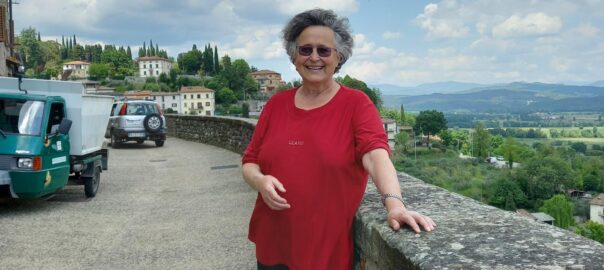
Questa è l’intervista con Paola Foni che avevo già intervistato nel 2018 Belonging in Anghiari: Paola Foni (Part 1). Paola ha studiato biologia ma, da oltre vent’anni, fa la spazzina per le vie del paese. È famosa per il suo sorriso, per la sua gioia di vivere. Ogni giorno la si vede saltare su e giù dalla sua Ape. L‘intervista si è svolta in italiano ed è poi stata trascritta e tradotta in inglese da Mirella Alessio. Questa è una versione editata.

Si sentivano queste notizie del Covid al telegiornale. C’era preoccupazione ma dato che Anghiari è una cittadina, qui non aveva ancora colpito. Poi l’11 marzo lo stato italiano ha dichiarato il lockdown, tutti in casa, mascherina, sanificazione, insomma tutto quello che competeva con l’arrivo di questa epidemia. E quindi solo i servizi essenziali sono rimasti aperti.

Continue reading Life in Anghiari during Covid – Paola Foni

Summer in Anghiari

Summer has arrived and it is hot. I’ve never been here in summer before so this is a new experience for me. The deciduous greens are greener and denser, and, while this means that the views from walks in the hills are more obscured than they are in spring, I’ve been grateful of the shade of oak and chestnut woods. In the last few days it has become too hot to even do these walks. There is a lot of talk about climate change – only a couple of weeks ago winter had returned. ‘What happened to spring?’ people ask.

Yesterday, in the Florence pages of La Repubblica, there was a special section on the measures being taken in Tuscany to combat climate change, with particular emphasis on farming practices, care of the soil and water management. There is a push to return to traditional agricultural methods with schools being established to teach these. Interestingly, these methods have been preserved to a considerable extent with only 11% of agriculture in Tuscany being intensive. Experts say that even this will have to decrease for agriculture to become sustainable, and that there needs to be an increase in the agricultural workforce.

Continue reading Summer in Anghiari

Sorridente/smiling

From the moment I step into the street here in the morning, I share greetings with the neighbours coming and going, watering their plants, sweeping, chatting: ‘Buongiorno’. We might pause and have a few words about the weather, or a slightly longer catch up on this and that. Fiammetta gives me an update on what she has to do today. Alessia, pushing a wheelbarrow to the house that she and her husband, Tomi, are restoring, pauses and hugs me. Then, all the way down the alleys-streets to the main piazza, greetings are shared, and every greeting is sorridente, a smiling welcome into the life of the street, the town.

I have said this in previous posts, I know! But I have this experience anew, again and again, and marvel at it. The other day, I shared greetings with a woman on a walker, and commiserated with her. Throughout our conversation, she had a big smile on her face, despite the difficulty of negotiating the uneven stones. I felt cheered by our encounter.

Continue reading Sorridente/smiling

Il Pozzeto

This morning, I drove back up that narrow, windy road to visit Carine and Mario at their Relais Il Pozzeto (see last post on ‘kindness’ ). It would be a good day to visit, they had said, because they weren’t going to be too busy. When I arrived, I received a very warm welcome. Indeed, a remarkably calm, un-hurried welcome, given that they were still serving guests breakfast. It was a beautiful summer’s day, with a light breeze, up there in the hills above Anghiari.

While Mario continued with the breakfast (he does all the cooking), Carine showed me around their lovely place. It was built in the 17th century as a Francescan monastery – these monasteries all seem to have been built in stunningly beautiful locations. Carine and Mario have been here for 9 years. She is Belgian, previously worked for the European commission, and speaks French, Dutch, Italian and English. He comes from Anghiari, and previously ran a plumbing business there. Their guests come from all over the world – today, there was a party from Mexico – and they specialise in weddings.

Continue reading Il Pozzeto

Kindness

I am constantly amazed by the generosity and kindness of the people here. Invariably, when I meet someone they say that I must ask them if I need help in any way, and you can tell that they mean it. The kindness of this place is manifest in small everyday gestures – when I go to pay for my morning coffee, I will find that someone has already paid for me. It is manifest, too, in moments of crisis.

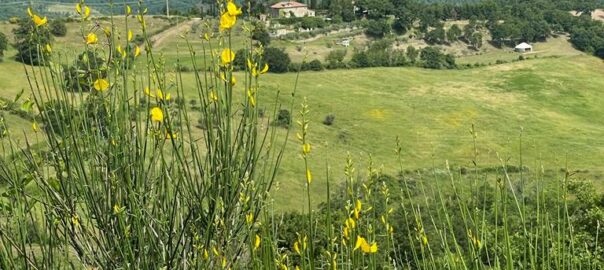
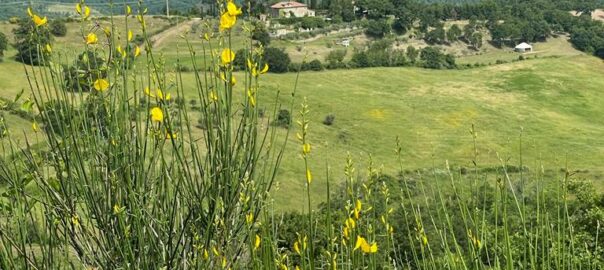
Here is an example of kindness in a crisis that happened a few days ago. I was taking my sister and brother-in-law, who were staying with me, to do a walk in the hills above Anghiari. It is a good place for getting lovely views of the surrounding countryside and mountains, and you can see Anghiari in the distance. The road up to this walk is narrow, steep and windy. I was taking care. Then, as I turned into the usual parking place, near the hamlet of Casale, I didn’t see a hole filled with mud. And there we were, stuck in it.

Continue reading Kindness

Lively Anghiari

A friend from London has been visiting for a few days, and he has given me the opportunity to see Anghiari through different eyes. On reflection, I think that my first post might have given a rather pessimistic picture of the future for life in the historic centre. So, in the light of Mark’s visit, I’d like to revise that now. In fact, Mark noted how lively the town was, and that there was a real sense of historical continuity in everyday rituals.

First, I should clarify: Anghiari has not turned into a museum, like, say, San Gimignano, nor has the medieval part of town become abandoned like so many smaller hilltop towns, particularly in Southern Italy. The changes that I’ve spoken about are more subtle than this – they are long term trends. However, there are counters even to those trends which auger well for the future of Anghiari, and the community here is very active in keeping traditions and the old town alive.

Continue reading Lively Anghiari

Tiber valley view

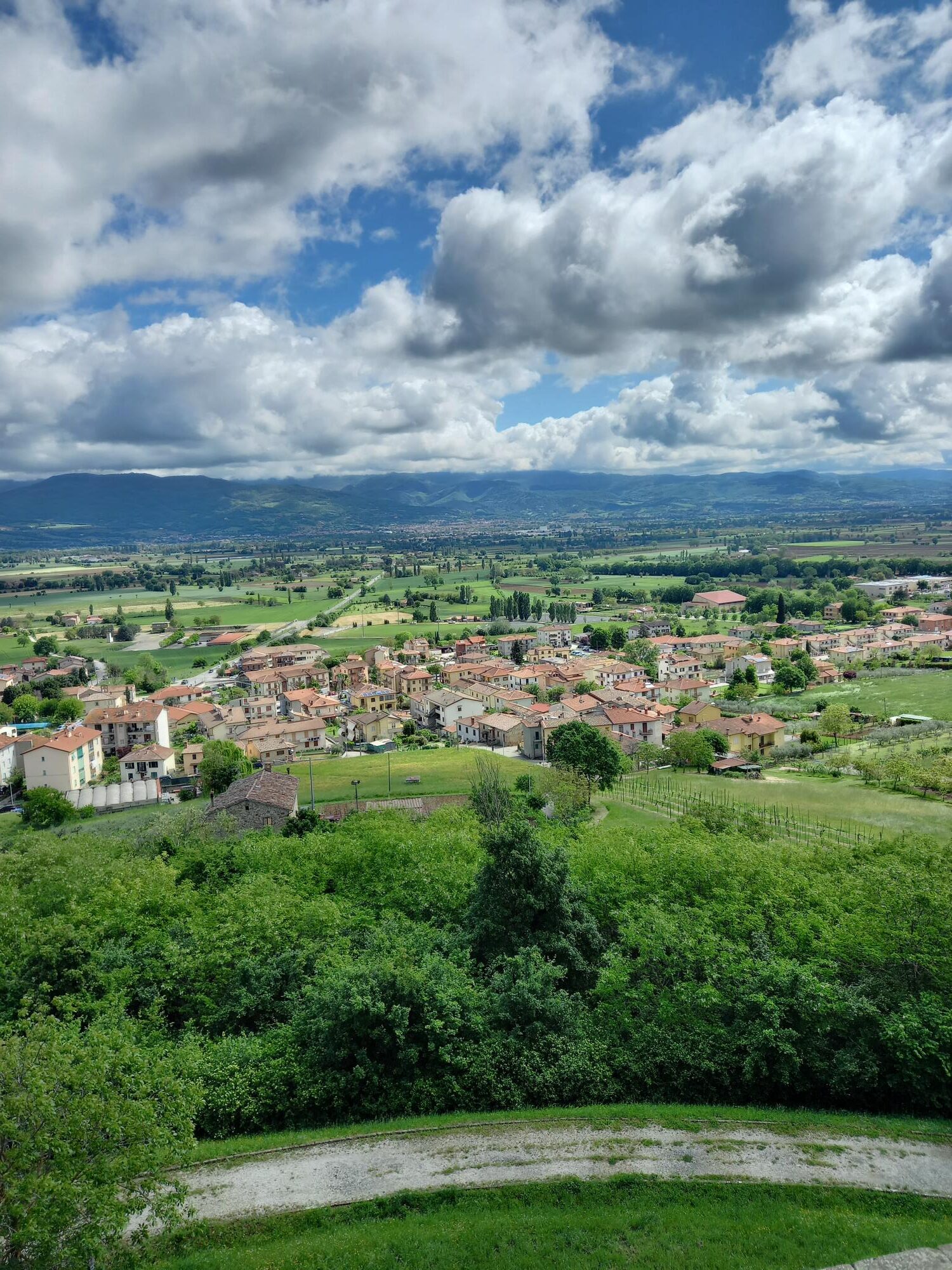
When, in 2018, I interviewed Paola, the wise street cleaner in Anghiari (Part 1,Part 2), she said ‘when I clean at La Croce in the morning and I look towards the valley, that valley that Leonardo and Piero della Francesca also looked at, it is a great joy. . I’ve recalled these words as I look with wonder at the view from the apartment where I am staying. It is quite simply breath-taking – the light, the colours, the Apennines around and beyond. But it is the cultural and historical richness in this view that particularly holds my attention. As Paola suggests, alongside all the visible historical changes, you can still imagine those renaissance artists in this landscape. (It has been a great joy to reconnect with Paola, who is very happy to do an interview with me on life in Anghiari during covid.)

With respect to changes, I’ll start with the river. The place I am staying in has been called ‘Tiber view’, but, in fact, you cannot see the Tiber from here. With the construction of a dam a little north of here in the post-war period, the river was reduced to a shallow trickle. Completed in the ’80s, this construction involved the flooding of homes, churches, and all the attendant downstream problems that go with damming, including the loss of a variety of species of fish. I understand that, over the centuries, the course of the river has changed, and that, in the past, not only did it flow fuller and deeper, but, at one stage, came quite close to Anghiari.

Continue reading Tiber valley view

Welcome Back to Anghiari

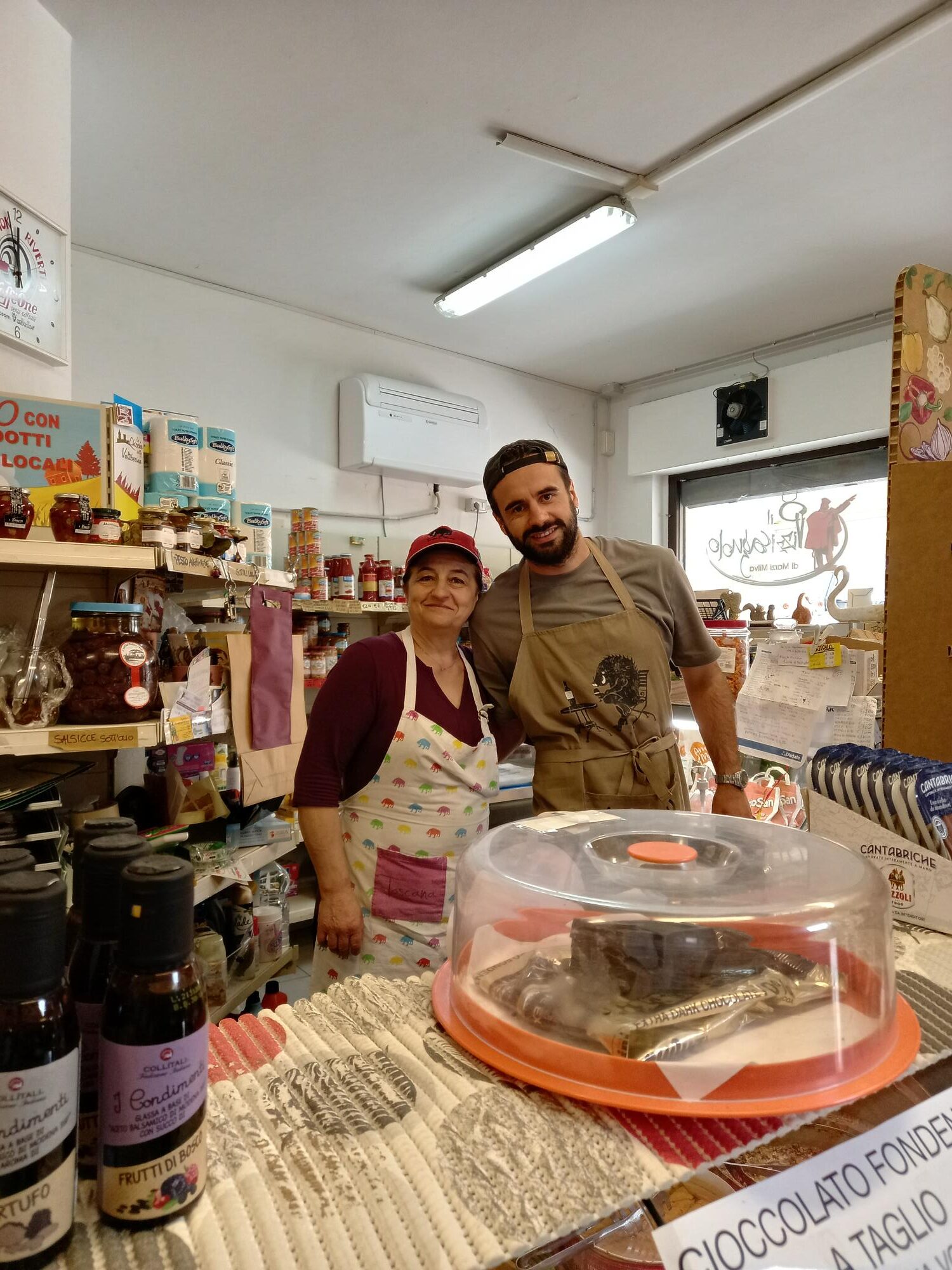
On my return to Anghiari after 4 years I have once again received a very warm welcome. Maybe even more heartfelt this time, after these years of covid. I run into acquaintances and friends in the street, in the piazza, in shops, in bars, and am warmly greeted with big smiles, and, frequently, hugs and kisses. Milva, in the alimentari, looked as if she’d seen an apparition when I walked in – she was so excited to see me. And to tell me that Lorenzo, her son, smiling next to her, was getting married in July. They had thought of me in those years of absence, she said, wondered how I was doing. Well, now, here I am back in the life of this place. And it feels like a home coming.

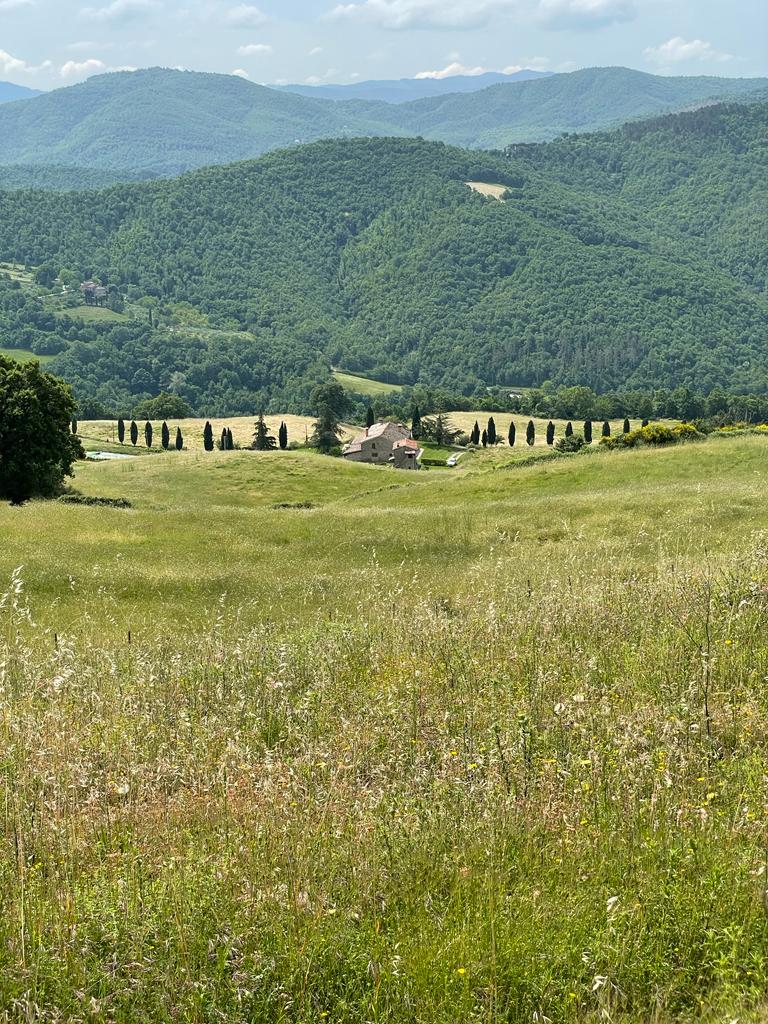
I took this photo on arrival – the view over the Tiber valley from my bedroom window. This time I am staying in a different place, located in the medieval walls of the town, with a view over the valley from every room. It has a wonderful address: via delle mura di sopra (‘street of the upper walls’). There is also a via delle mura di sotto. Once again, on arrival, I am struck by the distinctive light, colours, smells, sounds of Tuscan spring. In this photo you can get a sense of the soft light of spring here. When I open the windows, I am greeted by the smell of spring that I recall from my first stay in Anghiari, 20 years ago. There is a constant sound of birds, Italian spring birds, and, early in the morning, I hear hens and roosters in the valley. Every morning, the bells ring in La Badia, the 12th century church located right above my house. And, in the evening, they ring in the 13th century church, Santo Stefano, at the bottom of the hill.

Continue reading Welcome Back to Anghiari

Living in-relation with horses: foundations

When I hear ‘groundwork’, I hear two things simultaneously: work on the ground and foundational work, which together require a state of being grounded. From the moment we meet our horses we are doing groundwork in this double sense. Everything we do matters – how we greet our horses, lead them, groom them, will have implications for further work, on this particular day and in future situations. We will be establishing foundations. Most importantly, we want to establish a trustworthy connection, so that wherever we might be, in whatever circumstances, our horses will trust our leadership.

Continue reading Living in-relation with horses: foundations